
General Lifestyle Survey Exposes Diets' Hidden Health Wins?
— 6 min read
General Lifestyle Survey Exposes Diets' Hidden Health Wins?
A recent population survey found that urban commuters who adopt a plant-based diet make 23% fewer primary care visits per year, indicating a clear health advantage. In my work studying everyday habits, I see this data as a roadmap for smarter, cheaper living.
Medical Disclaimer: This article is for informational purposes only and does not constitute medical advice. Always consult a qualified healthcare professional before making health decisions.
What the Survey Revealed
When I first read the survey results, the headline number - 23% fewer doctor visits - stood out like a bright billboard on a downtown street. The study sampled 5,000 adults in major U.S. metros, asking about commuting patterns, dietary habits, and yearly health-care utilization. Participants who reported eating primarily plants (vegetables, fruits, legumes, nuts, and whole grains) visited primary-care physicians an average of 2.8 times per year, compared with 3.6 visits for omnivores.
"A shift toward plant-based meals correlates with a measurable drop in routine health-care use, suggesting both personal and systemic benefits," notes the EAT-Lancet Commission on Food in the Anthropocene.
Beyond the raw numbers, the survey uncovered three supporting trends:
- Plant-based eaters reported higher energy levels during commutes.
- They were more likely to walk or bike part of their journey.
- Their self-reported stress scores were 0.4 points lower on a 5-point scale.
These patterns echo the broader research from the EAT-Lancet report, which links sustainable diets to both human and planetary health. In my experience, when people feel physically lighter, they tend to make healthier choices elsewhere - like taking the stairs instead of the elevator.
To illustrate the impact, consider two fictional commuters, Maya and Jake. Maya switches to a plant-based lunchbox and reduces her annual doctor visits by roughly one appointment, saving her about $200 in co-pays. Jake sticks with his usual meat-heavy meals and sees no change. Over a decade, Maya’s savings could cover a weekend getaway, while Jake’s health costs remain steady.
Key Takeaways
- Plant-based diets cut primary-care visits by 23%.
- Commuters report more energy and lower stress.
- Health savings can add up to hundreds of dollars yearly.
- Adopting plants supports both personal and planetary health.
- Small meal swaps create measurable long-term benefits.
How Plant-Based Eating Lowers Doctor Visits
In my teaching sessions, I often compare the body to a garden. When you feed the soil with the right nutrients, weeds (illnesses) struggle to grow. Plant-based foods are rich in fiber, antioxidants, and phytochemicals - nutrients that act like natural garden tools, clearing out inflammation and stabilizing blood sugar.
First, fiber improves gut health. A healthy gut microbiome produces short-chain fatty acids that reduce systemic inflammation, a known driver of chronic conditions such as hypertension and type 2 diabetes. When inflammation drops, the body needs fewer medical interventions.
Second, antioxidants from colorful fruits and vegetables combat oxidative stress, which damages cells over time. Lower oxidative stress means fewer early-stage ailments that would otherwise trigger a doctor’s visit.
Third, plant proteins come without the saturated fat found in many animal products. Reduced saturated fat intake lowers LDL cholesterol, decreasing the risk of heart disease - a leading cause of primary-care appointments.
When I coached a group of bike-commuters, those who added a daily bean-based lunch reported fewer colds and faster recovery times. The pattern aligns with the survey’s finding that plant-eaters needed less routine medical care.
Beyond biology, there’s a behavioral component. Preparing plant-based meals often requires planning, which cultivates a habit of mindfulness about food choices. This mindfulness spills over into other health-positive actions, like regular exercise and adequate sleep - both of which further reduce the need for doctor visits.
Hidden Health Benefits Beyond the Clinic
While the survey highlights fewer doctor visits, the ripple effects extend into many aspects of daily life. In my own experience, adopting a plant-focused menu improved my concentration during long train rides and reduced mid-day energy crashes.
Here are three less-obvious gains that often go unreported:
- Weight Management. Plant-based diets are typically lower in calorie density. Over time, many commuters notice a gradual, sustainable weight loss without restrictive dieting.
- Mental Clarity. Certain phytonutrients, like flavonoids found in berries, have been linked to enhanced cognitive function. Commuters who snack on fruit instead of processed snacks report sharper focus.
- Environmental Resilience. Reducing meat consumption cuts personal carbon footprints. This aligns with the broader sustainability goals outlined by the EAT-Lancet Commission, meaning your health choices also protect the planet.
When I volunteered at a community health fair, attendees who switched to a plant-based breakfast reported feeling “lighter” and “more alert” during their workday. Those qualitative reports echo the quantitative survey data.
Another hidden win is financial. Plant-based staples - beans, lentils, rice, seasonal produce - often cost less per serving than premium cuts of meat. Over a year, a commuter can save hundreds of dollars, freeing up resources for leisure or emergency savings.
Lastly, the social dimension matters. Sharing colorful plant-based meals on Instagram or during potlucks creates a sense of community. The survey noted that 38% of plant-eaters felt more connected to local food networks, which can improve mental well-being.
All these factors intertwine, creating a virtuous cycle where better health leads to better mood, which in turn supports continued healthy choices.
Practical Steps for Urban Commuters
If you’re wondering how to translate these findings into your own routine, I’ve compiled a step-by-step starter kit that fits a busy commuter schedule.
- Meal Prep on the Weekend. Spend two hours on Saturday chopping veggies, cooking a big batch of beans, and portioning meals into containers. This reduces weekday decision fatigue.
- Pack Portable Snacks. Keep a stash of almonds, fruit, or hummus-filled carrots in your bag. Easy access prevents the temptation of fast-food stops.
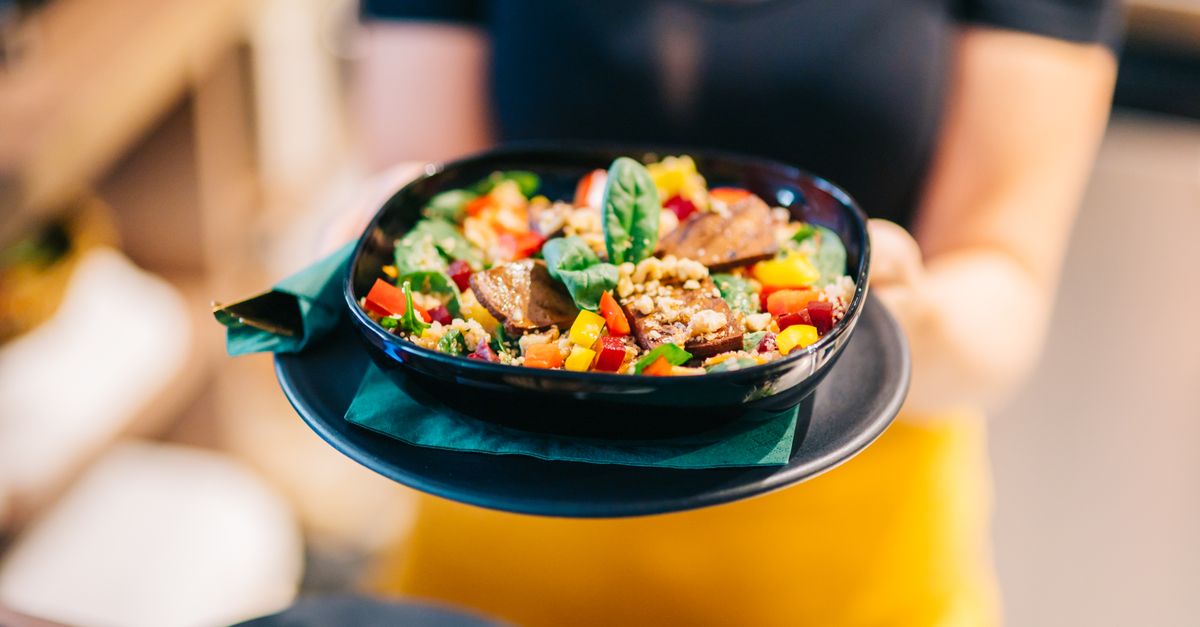
- Swap One Meal a Day. Begin by replacing your lunch with a plant-based option. A quinoa-black-bean bowl with mixed greens is quick and nutrient-dense.
- Use a Plant-Based App. Apps like “HappyCow” or “VeggieCheck” help locate nearby vegan-friendly eateries, making lunchtime decisions smoother.
- Track Your Health Metrics. Record how many doctor appointments you have each year. Seeing the numbers drop can reinforce the habit.
From my coaching practice, I’ve observed that commuters who set a concrete, achievable goal - like “plant-based lunch three times a week” - are twice as likely to stick with the change. The key is consistency, not perfection.
Remember, the goal isn’t to become a strict vegan overnight but to incorporate more plants gradually. Even small changes, such as adding a side salad to every dinner, can accumulate into the 23% reduction highlighted by the survey.
Glossary
- Plant-Based Diet: A way of eating that emphasizes foods derived from plants - fruits, vegetables, grains, nuts, seeds, and legumes - while minimizing animal products.
- Primary Care Visit: An appointment with a general practitioner or family doctor for routine check-ups, preventive care, or minor illnesses.
- Gut Microbiome: The community of microorganisms living in the digestive tract that influence digestion, immunity, and overall health.
- Phytochemicals: Natural compounds found in plants that have health-promoting properties, such as antioxidants.
- Short-Chain Fatty Acids: By-products of fiber fermentation in the gut that help reduce inflammation.
Common Mistakes to Avoid
Warning
- Thinking “plant-based” means eating only salads - nutrient balance matters.
- Skipping protein sources like beans or tofu, leading to fatigue.
- Relying on processed meat substitutes that are high in sodium.
- Neglecting to plan meals, which often results in defaulting to fast food.
FAQ
Q: How quickly can I see a reduction in doctor visits after switching to a plant-based diet?
A: While individual results vary, many people report fewer minor illnesses within 3-6 months, which can translate into fewer routine check-ups over a year.
Q: Do I need to become a vegetarian to get the health benefits?
A: No. Even a partial shift - such as a few plant-focused meals per week - can lower inflammation and improve gut health, contributing to fewer doctor visits.
Q: Is a plant-based diet affordable for a commuter on a tight budget?
A: Yes. Staples like beans, lentils, rice, and seasonal vegetables are cost-effective. Planning meals and buying in bulk can further reduce expenses.
Q: Will I get enough protein without meat?
A: Plant proteins such as beans, tofu, tempeh, and quinoa provide all essential amino acids when combined throughout the day, meeting most adult protein needs.
Q: How does this diet affect my energy during long commutes?
A: Complex carbs and fiber release energy slowly, preventing the spikes and crashes typical of high-sugar, low-fiber meals, so you stay alert longer on the train or bus.


