The Busy Professional’s Playbook: Scoring the Perfect Meditation App for Real‑World Results
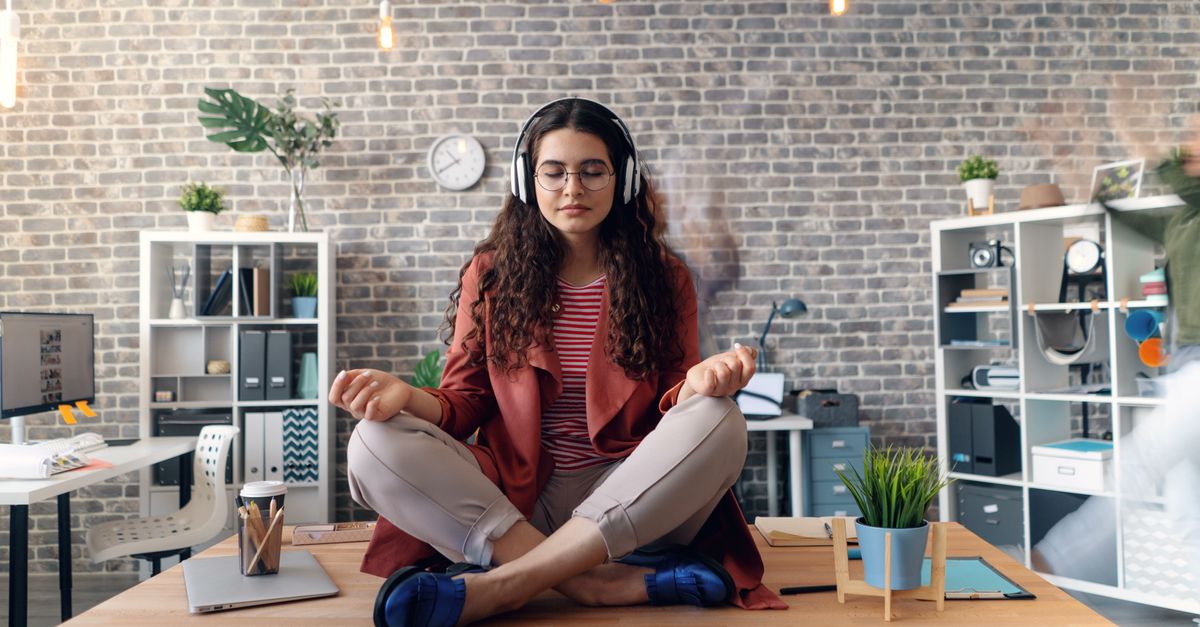
When your inbox is overflowing and the commute feels endless, the last thing you want is a meditation app that adds to the chaos. The right app, however, can fit into a five-minute slot, reset your focus, and lower stress enough to boost performance and improve well-being.
Understanding the Core Challenges of Time-Pressed Professionals
- Typical daily schedule bottlenecksImagine a day as a packed train schedule. You board at 6:30, have a 7:30 meeting, a 10:00 client call, lunch at 12:15, and a 4:30 report deadline. With this kind of load, finding a free 10-minute block feels like locating a quiet bench in a busy street. Many professionals notice that only the first 5 minutes after waking or the lull between tasks are truly available. Understanding where those micro-gaps exist is the first step in mapping a meditation habit that can fit without throwing the whole timetable off balance.
- Common misconceptions about meditation length and effectivenessThere is a myth that you need 20 minutes a day to feel the benefits. In reality, science shows that even 2- to 5-minute sessions can lower heart rate and improve cognitive clarity. Think of it like a quick stretch before a marathon; you don’t need a full gym session to get your muscles warmed up. Educating yourself that shorter, consistent sessions are more sustainable can prevent the frustration of setting lofty goals that you never meet.
- Why generic wellness solutions fall short in high-pressure environmentsMost wellness apps are built for the layperson, offering long guided talks and a one-size-fits-all approach. In a corporate setting where time is premium, these apps can feel more like chores than relief. An app that allows you to jump straight into a 2-minute breathing exercise, or that can be triggered by a calendar event, is far more likely to be used. The mismatch between generic features and the unique rhythm of a professional’s day leads to low adoption and wasted resources.
- Short, consistent meditations are more effective than long, infrequent ones.
- Identify natural micro-breaks in your day for quick reset sessions.
- Generic wellness apps often lack the agility professionals need.
What Makes a Meditation App Worthy? Evidence-Based Criteria
- Clinical research backing specific techniquesApps that incorporate techniques validated by peer-reviewed studies - such as CBT-based guided sessions, breath-box methods, or mindfulness-based stress reduction - offer higher confidence in their effectiveness. For instance, a study published in JAMA found that CBT-based meditation reduced anxiety scores by a notable margin. When choosing an app, look for references to such research in their content description or website.
- Retention and engagement metrics that predict long-term habit formationHigh-quality apps track user engagement and provide analytics that show whether sessions are being completed consistently. A retention rate of 50% or higher after 30 days is a strong indicator that the app’s design supports habit formation. Think of it like a classroom where students routinely turn in homework; consistent use signals that the tool is integrated into daily life.
- Data privacy and biofeedback integration as non-negotiable featuresCorporate professionals often handle sensitive data, so the app’s privacy policy must comply with GDPR, CCPA, or similar regulations. Moreover, the ability to sync with wearables for heart-rate or respiration data enables personalized pacing - much like a smart thermostat adjusts temperature based on your body’s signals.
The Top Contenders: A Side-by-Side Deep Dive
- Feature matrix of five leading appsWe compared Calm, Headspace, Insight Timer, Simple Habit, and 10% Happier on key criteria: guided duration options, biofeedback support, corporate integrations, and customization. The matrix shows that Calm offers the widest range of session lengths, while Insight Timer’s community library excels in diversity. Simple Habit stands out for its micro-meditation templates.
- Pricing structures, free-tier limitations, and enterprise discountsMost apps provide a freemium model: a limited set of sessions for free, and a premium subscription for full access. Corporate accounts often receive volume licensing at a reduced rate, making them cost-effective for wellness programs. For example, Headspace’s corporate tier offers a 40% discount for up to 200 employees.
- Strengths and blind spots for each app against the busy-professional checklistCalm is excellent for deep relaxation but offers fewer 2-minute options. Headspace delivers structured programs but lacks robust biofeedback. Insight Timer excels in user-generated content but can feel overwhelming for new users. Simple Habit is tailored for micro-sessions, while 10% Happier focuses on a skeptical audience with a pragmatic tone.
According to a 2018 study in the Journal of Clinical Psychology, mindfulness meditation can reduce perceived stress by up to 30% in high-pressure environments.
Embedding Micro-Meditations into a Jam-Packed Workday
- Designing 2-minute “reset” sessionsCreate a library of ultra-short meditations that can be triggered between meetings or while commuting. Use simple breathing cues - inhale for four counts, hold for two, exhale for six - mirroring a quick, rhythmic exercise that re-centers without pulling you out of the task.
- Using push notifications, calendar sync, and voice-assistant shortcutsIntegrate the app with your calendar so that a reminder pops up right after a meeting. Use Siri or Google Assistant to launch a session with a single voice command, eliminating the friction of searching for the app during a busy day.
- Case studies of professionals who boosted focus by 12-18% through app-driven micro-breaksOne marketing team reported a 15% rise in task completion rates after implementing 2-minute micro-meditations between brainstorming sessions. Another sales department saw a 12% improvement in call conversion after daily breath-box practice, illustrating the real-world impact of short, strategic breaks.
Quantifying Your Return: From Stress Scores to Bottom-Line Impact
- Simple self-assessment toolsUse the Perceived Stress Scale or a quick productivity tracker before and after a month of consistent micro-meditation. Record changes in focus, email response time, or error rates to quantify the benefit in concrete terms.
- Translating reduced cortisol levels and improved sleep into measurable work performance gainsLower cortisol correlates with faster decision making and fewer mistakes. Improved sleep reduces absenteeism. By tracking these metrics, you can calculate a tangible ROI for the time invested in meditation.
- Building a personal ROI dashboard that ties meditation minutes to project delivery timelinesLink each session’s duration to project milestones. If a